
DevKit is designed to remove friction from everyday WordPress workflows. This release focuses on developer productivity, content management efficiency, and safer site maintenance — all directly inside the WordPress admin.
Instead of installing multiple small plugins for common tasks, DevKit centralizes essential tools in one place and lets you enable features only where you need them.
In this update, DevKit introduces four new modules:
- Post & Custom Post Type Duplication
- Revision Limiter
- Temporary Login Links
- Developer Backup System
Each feature is configurable per post type or role, keeping your admin clean and your performance optimized.
Duplicate Posts & Custom Post Types
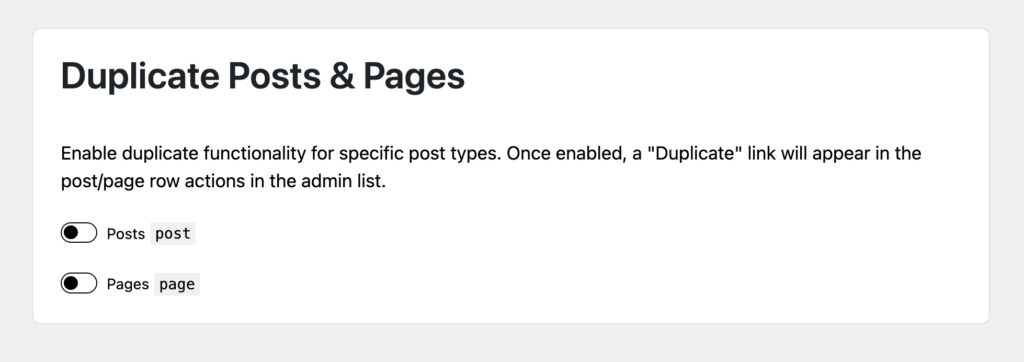
Creating similar pages, layouts, or content structures is a common workflow in WordPress. DevKit adds a native duplication action directly into the admin list view.
Once enabled from DevKit → Admin Area → Duplicate Posts & Pages, all registered post types become available for selection. You can activate duplication only for the content types you actually use.
What gets duplicated?
When you duplicate a post, DevKit creates a full copy including:
- Post title and content
- Featured image
- Custom fields and metadata
- ACF fields
- Metabox data
- Taxonomy relationships
The duplicated post is automatically saved as a draft and labeled with “(Copy)” in the title, ensuring it never gets published accidentally.
Revision Limiter
WordPress saves multiple revisions every time content is updated. While useful, unlimited revisions can quickly bloat your database and slow down admin performance, especially on content-heavy sites.
DevKit introduces a Revision Limiter that lets you control this behavior per post type.
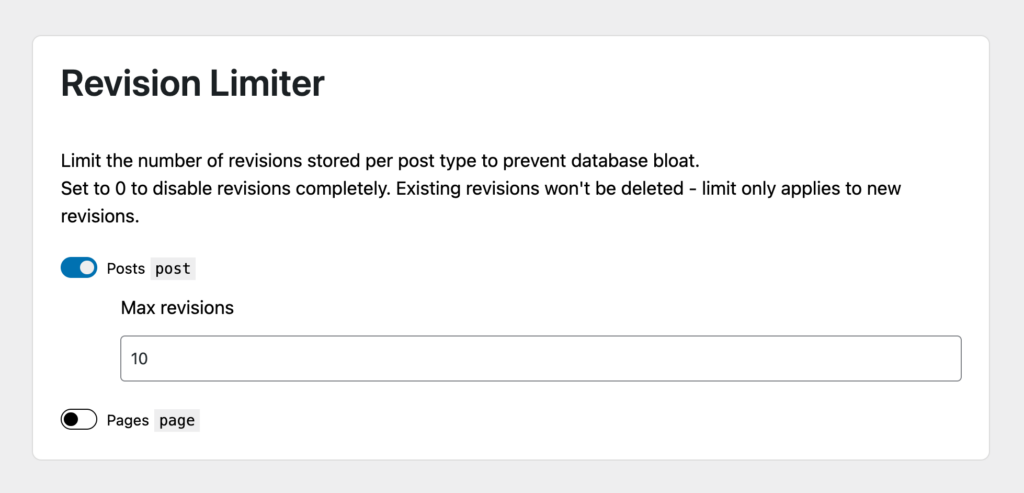
From DevKit → Admin Area → Revision Limiter, you can:
- Enable revision limits per post type
- Set a custom maximum number of revisions (default: 10)
- Keep existing revisions intact while limiting future saves
Important behavior
If a post already has more revisions than your defined limit, DevKit does not delete existing data. Instead, it ensures that future edits respect the new limit, preventing further growth.
Temporary Login Links
(Secure Access Without Sharing Passwords)
Sharing login credentials is insecure and difficult to manage. DevKit solves this with temporary magic login links.
From DevKit → Login → Temporary Links, you can generate time-limited access links for:
- Clients
- Developers
- Editors
- Testers
- Support teams
What you can configure
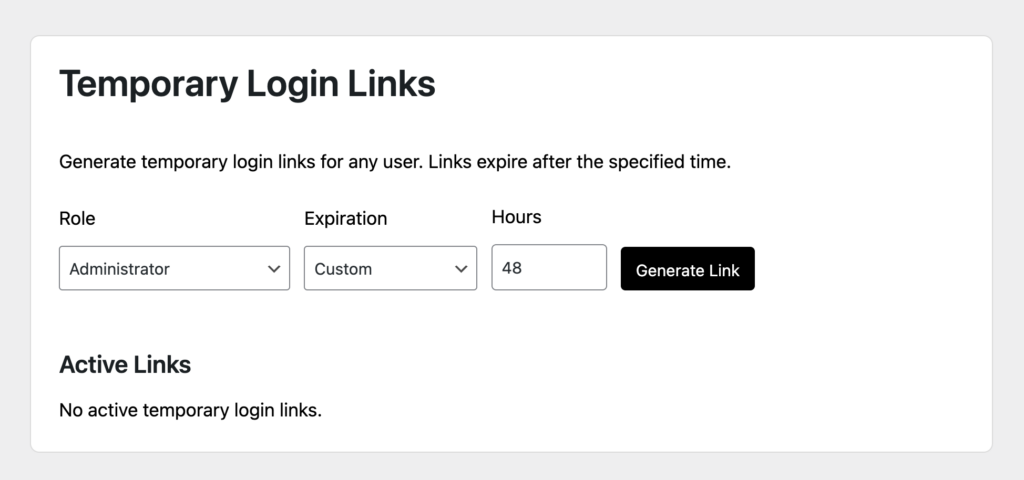
Each generated link allows you to define:
- User role (Administrator, Editor, Author, Shop Manager, Subscriber, etc.)
- Expiration time (1 hour, 1 day, 7 days, 30 days, or custom)
- Automatic user creation and removal
Once the user clicks the link, they are logged in automatically with the assigned role — no password required.
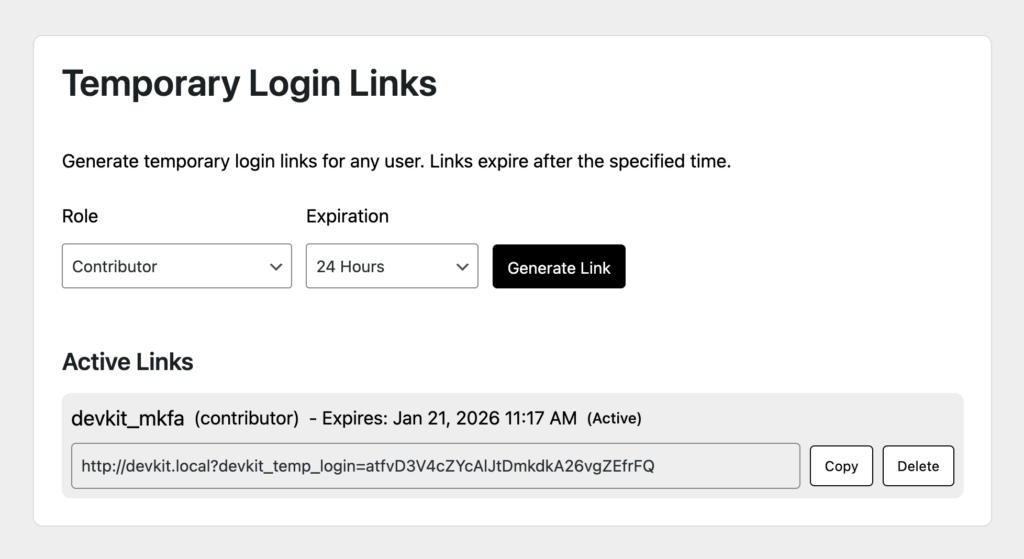
Built-in management
Every link shows:
- Assigned username
- Role
- Expiration time
- Active or expired status
You can copy the link instantly or revoke it at any time. When a link is deleted, the temporary user is removed automatically.
Developer Backup System
DevKit includes a lightweight backup system built for development and testing workflows, not full hosting migrations.
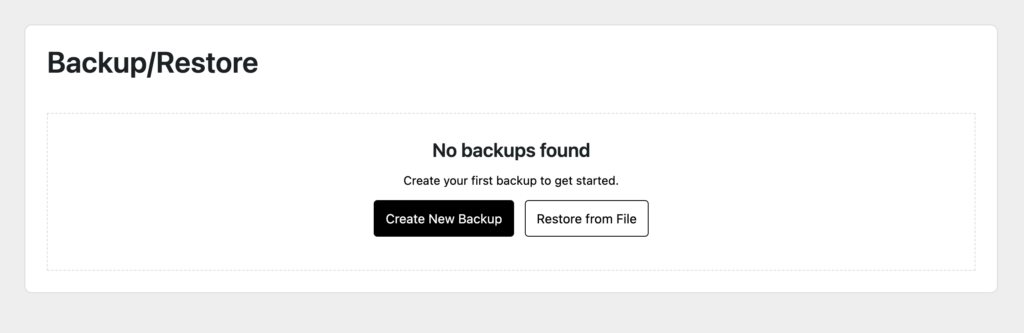
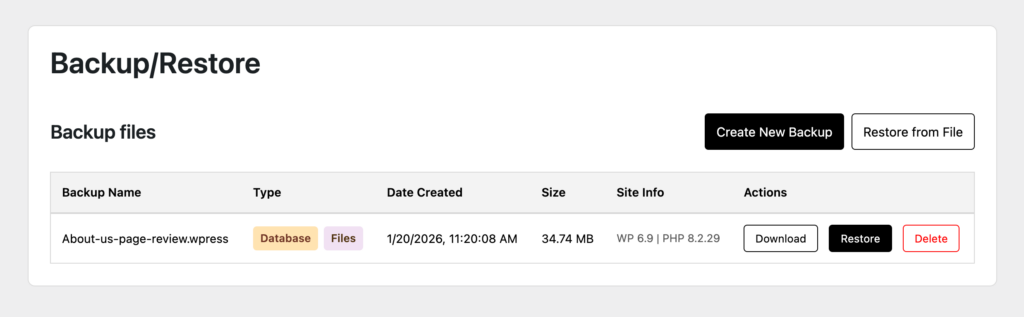
From DevKit → Backups, you can create on-demand restore points before making changes.
Backup types available
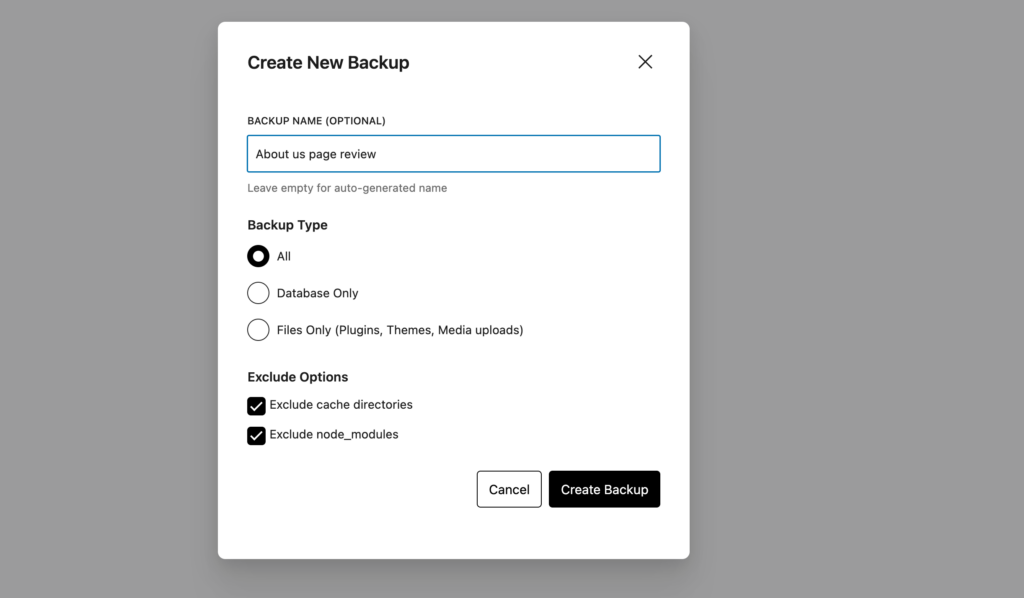
You can choose:
- Full backup (files + database)
- Database only
- Files only
This allows you to create targeted snapshots depending on your workflow.
Smart exclusions
To keep backups fast and storage-efficient, DevKit allows you to exclude:
- Cache directories
- Node_modules folders
- Development assets
This is especially useful when working locally or testing plugins, themes, or Gutenberg layouts.

Leave a Reply